By Jessica DiNapoli and Waylon Cunningham
NEW YORK, Dec 24 (Reuters) - Packaged food makers and fast-food restaurants may be forced to overhaul more of their products next year as newly approved, appetite-suppressing GLP-1 pills become available in January, analysts say.
More Americans are expected to try the drugs as a pill rather than as a shot because the medication will be cheaper and many patients are hesitant to inject themselves.
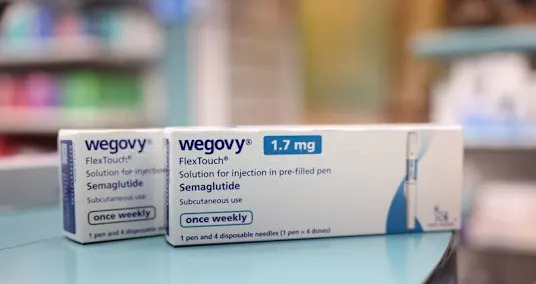
The U.S. Food and Drug Administration approved Novo Nordisk's (NVO) Wegovy GLP-1 pill on Monday, sending shares of food companies down on Tuesday. Eli Lilly's (LLY) rival medication is expected to gain approval from regulators next year.
Food companies including Conagra Brands and Nestle are already dealing with shifts in consumer tastes toward higher protein and smaller portions due to the popularity of weight-loss injections, and analysts believe widespread GLP-1 adoption could mean long-term changes in demand.
To cope, businesses are promoting products with more protein, tweaking labeling to say they are GLP-1 friendly and working with large retailers to better market products.
"We are seeing people cut (back) specifically on salty snacks, liquor, soda, drinks, and bakery snacks, and more focused on protein and fiber, so we expect food companies and also restaurants to cater to this audience that is growing," said JP Frossard, consumer foods analyst at Rabobank.
"We'll see more access to those drugs and a higher addressable market for products that have in mind the needs of the GLP-1 user," he said.
Andrew Rocco, stock strategist at Zacks Investment Research, called Novo's approval "groundbreaking" because the pill would be cheaper than the injectable version of Wegovy and deliver the same weight-loss metrics. "High protein, smaller portions, and functional food innovation will be necessary," he said.
FOOD COMPANIES ARE TAKING NOTE
Some 40% of American adults are obese, U.S. government data shows, and around 12% of adults say they currently take GLP-1 drugs, according to a poll published last month by health policy research organization KFF.
Households using GLP-1 medications cut spending at grocery stores by 5.3% and fast-food restaurants by about 8% on average, according to a Cornell Research study published last week that used purchase data collected by Numerator from about 150,000 households.
Those reductions largely faded when households stopped using the medication.
"The decreases we saw will likely show up in a much broader slice of the population" because of weight-loss pills, said Sylvia Hristakeva, one of the study's co-authors. She said the cheaper price and ease of use of pills will also make it likely that people use the medication for longer.
LATEST POSTS




 'Euphoria' releases Season 3 photos with Zendaya, Sydney Sweeney, Jacob Elordi and others: See them
- Investigate Something else for Less: Financial plan Travel Objections
- Fundamental Venture The board Apparatuses for Remote Groups
- Australia to offer businesses $693 million in cheap loans to ease fuel cost pressure
- Hilary Duff's husband responds to Ashley Tisdale's 'toxic' mom group claims: The drama, explained
- Nvidia Share Price Could Be Hit Hard By Iran War
- The Most Vital Crossroads in Olympic History
- Step by step instructions to Choose the Right Auto Crash Legal counselor for Your Case
- Which Espresso Do You Like Best? Vote